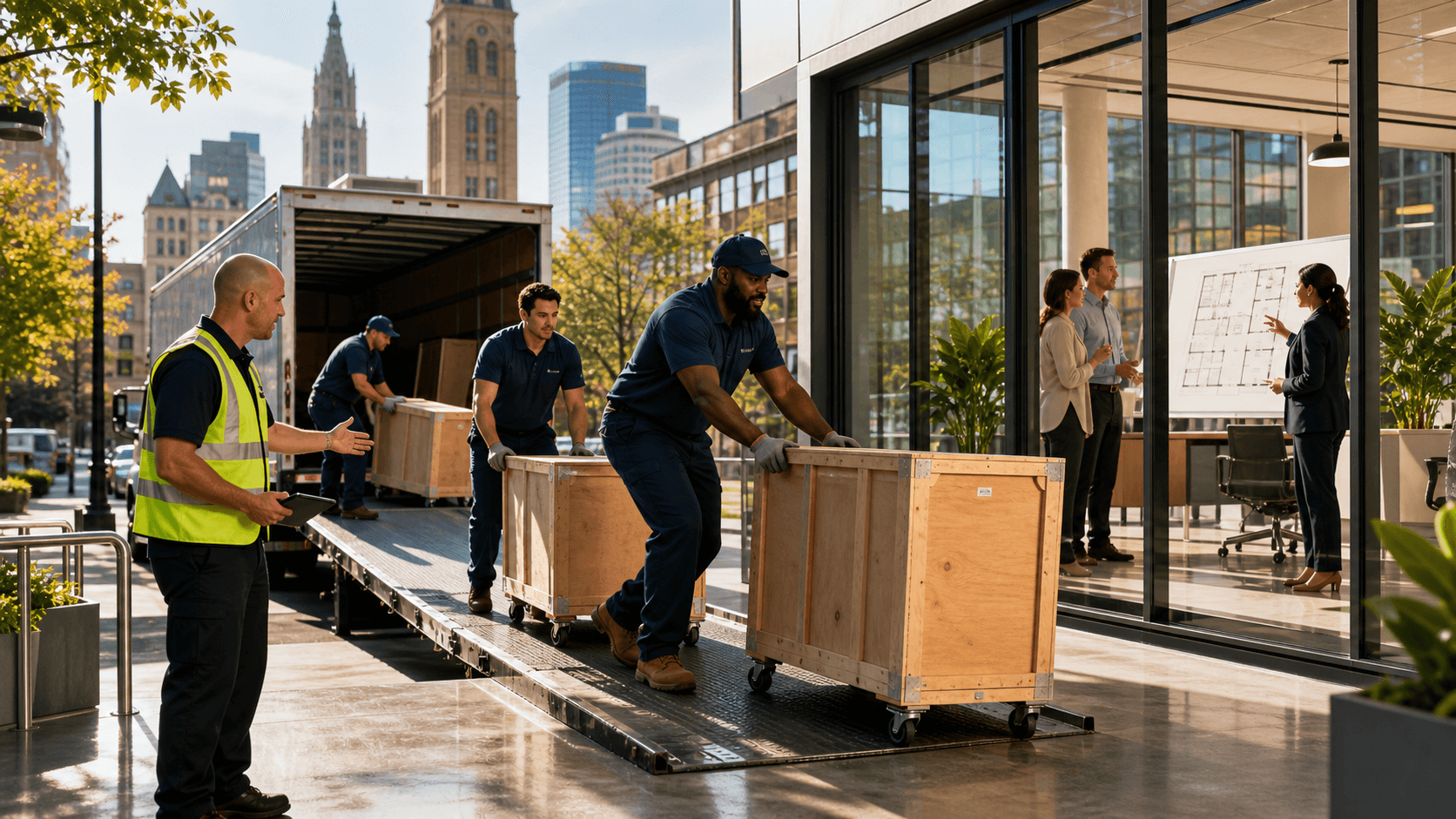
Culture-First Office Moves That Actually Work
Office moves can look simple on paper. Pick a new address, pick a move date, hire trucks, and go. In real life, especially for Milwaukee teams ramping up for a strong Q4, a move touches culture, routines, and trust. If you treat it as a "boxes and furniture" project, people feel like something is being done to them, not for them.
A culture-first approach flips that. Instead of starting with where to put desks, we start with how people work, how they feel, and what your organization is trying to become. Space, systems, and storytelling work together so the move feels like forward momentum, not a stressful reset.
At Coakley Brothers, our roots go back to 1888, and our Water Tower Building showroom keeps us grounded in both history and fresh ideas. We bring that mix of heritage and innovation to office relocation services in Milwaukee, guiding both the human side and the operational side of a move from early planning through long-term management.
Why Culture Belongs at the Center of Your Move
When culture is an afterthought, office moves often create problems that last long after move day. People can feel unheard, productivity dips as they figure out new routines, and some decide the change is not worth the commute. Hybrid plans stall because the new space does not actually support how teams need to meet, focus, and connect.
A culture-first lens changes the questions you ask:
- Instead of "How many stations fit on this floor?" ask "How do different teams get their best work done?"
- Instead of "Where do we put offices?" ask "Where do people need privacy, and where do they need energy and connection?"
- Instead of "What is the cheapest option?" ask "What will help us keep and attract the right people?"
This kind of thinking shapes decisions on:
- Floorplans that balance focus, collaboration, and movement
- Meeting spaces that make hybrid calls easy, not painful
- Amenities that make the trip into the office feel worthwhile
- Neighborhoods that reflect how departments actually interact
For Milwaukee organizations competing for talent, culture-focused moves can pay off in better retention, stronger cross-team relationships, and in-office days that feel purposeful instead of forced.
Aligning Leadership Before the First Box Is Packed
Culture-first change starts with leadership alignment long before anyone tapes up a box. If the CEO, HR, IT, and facilities leaders are not on the same page, employees will hear mixed messages and fill in the gaps with their own stories.
We work with leadership teams early to create clarity around:
- Vision for the future workplace
- Measures of success for the move
- Roles and decision rights during each phase
That often looks like workshops and scenario planning sessions that connect business strategy, design intent, and move timelines. We link questions like "Where should we grow next?" or "How many days in the office feel right?" to how the space is programmed and how the move is phased.
The practical outputs of real alignment include:
- A shared narrative for why the move is happening and what it supports
- A clear framework for trade-offs, like private offices versus open collaboration zones
- A visible change roadmap that shows when and how leaders will show up during the process
When leaders stand together around a clear story, employees feel more secure, even when the move asks them to change long-held habits.
Building a Communication Plan Employees Can Trust
Office relocation services in Milwaukee are not just about trucks and crews. Communication is as important as any floorplan. Late summer can be a busy, shifting season for many employees, with school schedules and family plans in motion. Surprises around a move only add stress.
A strong communication plan is simple, honest, and steady. We help clients shape:
Message pillars, such as:
- Why we are moving and what problem we are solving
- What will improve for teams and individuals
- How we will support people before, during, and after the move
Channel mix, such as:
- Town halls with open Q&A
- Intranet hubs or newsletters for regular updates
- Preview tours or virtual walk-throughs of new floors
- On-site posters and digital signage that reinforce key dates and changes
Cadence matters too. Quick "one and done" announcements do not work. People need repeated, consistent touchpoints from the first rumor through move-in week.
Just as important is listening. Surveys, small-group sessions, and pilot neighborhoods can surface concerns: noise levels, storage needs, tech setups, or commute issues. We translate that feedback into real changes in floorplans, furniture selections, and move-day experience design, so employees see that their voices show up in the final space.
Designing Spaces That Inspire Adoption, Not Resistance
When people walk into a new office, they should feel oriented, supported, and a little bit excited. That does not happen by accident. Design choices have a direct impact on adoption.
Key space elements include:
- Neighborhood planning that groups teams logically and supports how they interact
- Quiet zones for deep focus and heads-down work
- Collaboration hubs with the right furniture and tools for quick huddles or longer sessions
- Tech-ready meeting rooms where hybrid meetings are simple and clear
- Wellness spaces and storage that match real daily needs, not just a list on paper
At Coakley Brothers, we bridge design and logistics so the space does not just look good in a rendering but actually works day to day. We coordinate furnishings, procurement, staging, and installation so the office feels complete, intuitive, and ready to support people on day one.
We also plan "experience choreography" for move week and the first 90 days. That can include:
- Clear wayfinding so people know where to go from the moment they step out of the elevator
- Welcome moments like hosted orientation areas and guided tours
- Simple training on new spaces, tech, and room booking tools
- On-site support teams to solve issues in real time and keep momentum positive
When you design both the space and the experience, teams are far more likely to embrace new behaviors instead of clinging to old ones.
Office Relocation Services in Milwaukee for the Long Term
An office move should not be the end of the story. It is the start of a new workplace lifecycle. Headcount shifts, seasons change in Milwaukee, and business strategies evolve. Your space needs to keep pace.
We support that long view through:
- Ongoing asset management and inventory tracking
- Furniture reconfigurations as teams grow or reorganize
- Storage and redeployment so pieces can be rotated or reused instead of discarded
Our 1888 heritage and our Water Tower Building hub allow us to keep a living inventory of ideas and options. That makes it easier to adjust spaces seasonally, like increasing collaboration areas ahead of big planning periods or adding heads-down capacity when projects peak, without starting from zero.
Thoughtful tracking and storage also protect your investments and support sustainability goals. Instead of over-buying or scrapping usable items, leaders can quickly pilot new layouts or hybrid neighborhoods, learn from them, and roll out what works across other sites.
Local Roots, National Reach for Complex Moves
Being based in Milwaukee, we know local permitting rules, downtown building access, and the quirks of older and historic properties. At the same time, our teams support moves for organizations with locations across the country, so we understand the added layers that come with multi-site portfolios.
Our experience with historic preservation and the evolution of the moving and design industry shapes how we treat both legacy spaces and new workplaces. We respect what came before while planning for how work is changing.
What sets Coakley Brothers apart is how we integrate it all under one accountable partner: design, construction coordination, moving, and asset management. We pay attention to culture as much as square footage, so your move supports how people connect, create, and perform, not just where they sit.
Get Started With Your Project Today
Make your next move smoother by partnering with Coakley Brothers for expert support at every step. Explore our office relocation services in Milwaukee and see how we plan, coordinate, and execute a move tailored to your team's needs. If you are ready to discuss timelines, logistics, and budget, contact us to request a detailed quote today.