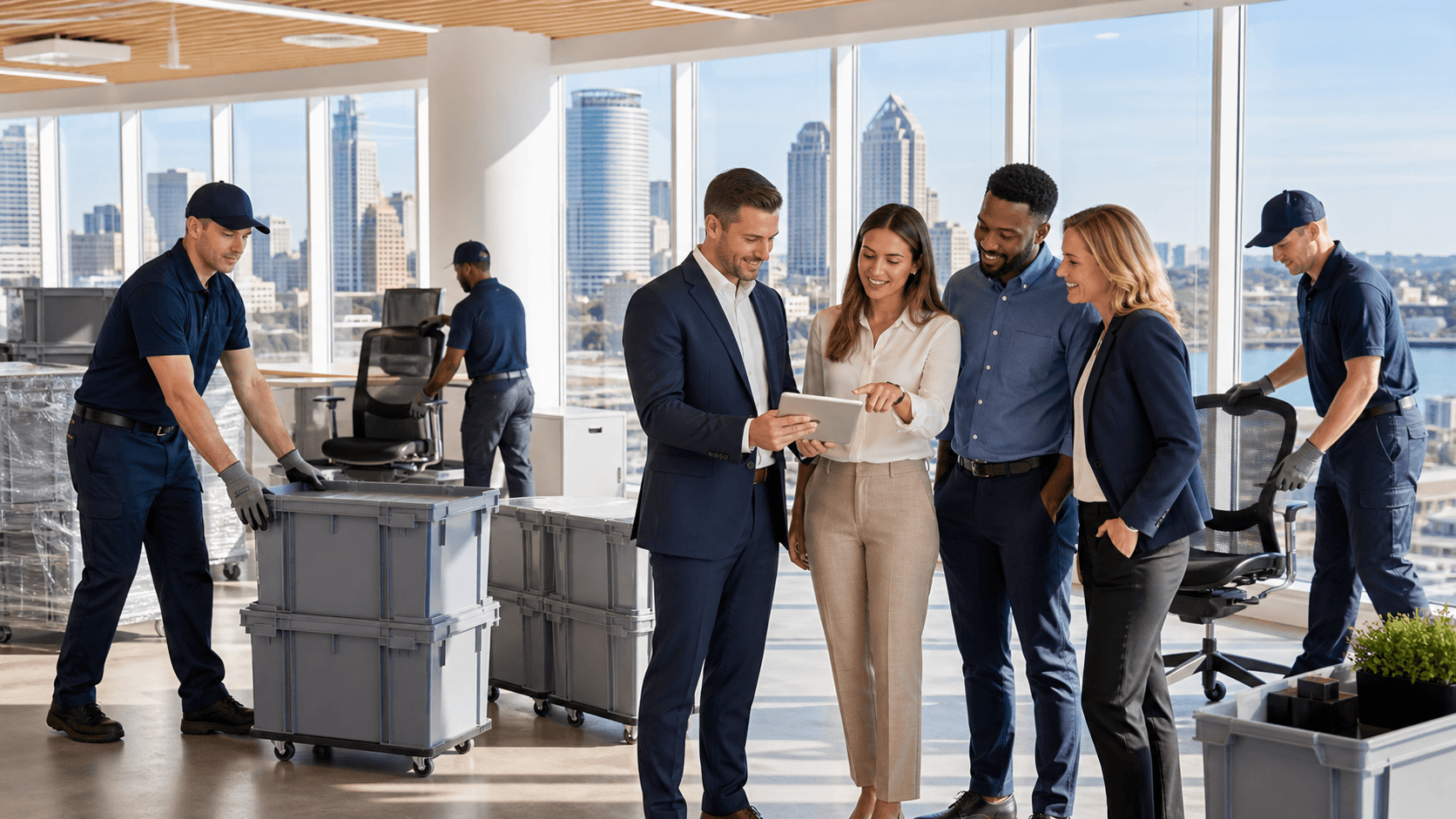
Turning Office Moves From Disruption Into Opportunity
Office relocation can pull at everything at once, from budgets to employee stress. When it is rushed or handled as "just a move," leaders feel pulled away from strategy and teams lose focus. When it is planned with care, the same move can reset how people work, connect, and perform every day. This is where transforming spaces truly begins to inspire the people inside them.
Fall in Milwaukee is a natural time to rethink space. Many organizations are reviewing goals, updating budgets, and shaping what they want the next year to look like. Aligning an office move with that planning cycle turns relocation into a launchpad, not a distraction. The physical move becomes a clear signal of what is next for the business and the people inside it.
Our team at Coakley Brothers has seen both sides: moves that drain energy and moves that build momentum. With more than a century of logistical experience paired with current workplace design, we work as expert partners to give leaders clarity rather than chaos. Together, we help transform spaces in ways that inspire people to do their best work. Here is how integrated office relocation in Milwaukee can run from early vision and procurement to long-term support in a way that feels organized, calm, and full of possibility.
Why Office Relocation in Milwaukee Demands More Than Movers
Office moves today are not just about getting items from one address to another. Hybrid work, competition for talent, and higher expectations for office experience mean that relocation decisions are tied to strategy. A move often touches culture, technology, recruiting, and brand all at once.
When design, construction, procurement, and moving are treated as separate efforts, things tend to slip. You might see:
- Layouts that do not match how teams actually work or collaborate
- Delays when furniture, build-out, technology, and move dates are not aligned
- Frustrated employees who feel left out, confused, or disconnected from the culture
- Unplanned costs when changes show up late
Integrated office relocation in Milwaukee brings these pieces into one plan and one accountable partner. That plan has to respect local building rules, downtown loading and access limits, and even seasonal timing, like cold weather or holiday blackout periods.
For business leaders, that means:
- Clear ownership for schedule, budget, and quality across the full lifecycle
- Fewer handoffs between vendors and a more coherent partner relationship
- Decisions made with the whole move and future workplace in mind, not just one phase
The result is not just a smoother move day. It is a more thoughtful move overall, one that supports retention, strengthens collaboration, and reinforces the culture you want people to feel the moment they walk in.
Designing the Future Workplace Before the First Box Moves
The most successful relocations start long before crews arrive. We begin with strategy and design so the new space is built around how work actually happens, not just how many desks fit on a floor.
That usually includes:
- Workshops with leadership to define goals, culture, and priorities
- Listening to employees about what helps or hurts their workday and sense of connection
- Studying how teams use space now, including focus work, project areas, and shared zones for collaboration and social interaction
From there, design links how a space looks with how it performs. We pay close attention to daylight, acoustics, and the flow between quiet and active areas. Branded details help tell the organization's story, from the lobby to team spaces, so the office feels like a clear extension of values and a catalyst for office culture.
We coordinate furniture, finishes, technology, and procurement with construction right from the start. That way:
- Furniture supports the layout and work patterns, not the other way around
- Technology is planned into rooms instead of added at the last minute
- Move-in dates line up with the actual readiness of the space and systems
For executives, this approach leads to a workplace that attracts and keeps talent, supports flexible work patterns, and feels like a place people want to be, not a place they are forced to show up. It bridges logistical precision with aesthetic design so the environment directly supports productivity, engagement, and long-term retention.
Precision in Motion: The Logistics Behind a Seamless Move
Once the future space is defined, logistics turn that plan into reality. This is where our roots in moving and our knowledge of Milwaukee buildings come forward, balancing the heritage of the city with the demands of modern work.
A clear move plan covers:
- Detailed inventories so nothing is left behind or misdirected
- Phasing by department or function to control downtime and protect productivity
- Weekend or off-hours moves when needed to protect business operations
- Contingency plans in case weather, building access, or other surprises appear
Working in historic and modern buildings calls for different approaches. Freight elevators, tight loading zones, dock rules, and downtown traffic all shape how we stage trucks, sequence loads, and protect both the building and your assets. Sensitive equipment, files, and artwork often need special handling and clear security steps.
Trained crews and simple technology keep everyone aligned. Barcoded tags, labeled floor plans, and on-site project managers tie together landlords, IT, internal move teams, and outside vendors. Leaders often worry about three things during a move: continuity, security, and employee confidence. Strong communication, visible order, and a calm on-site presence help people feel that the move is under control and worth the effort, turning what could be a disruption into a shared moment of progress.
Beyond Move-in: Long-Term Workplace and Asset Stewardship
The first day in the new space is a milestone, but it is not the end. Real life in a workplace has a way of revealing what needs to shift once teams settle in.
Post-move support can include:
- Adjusting layouts or workstations as patterns of use become clear
- Addressing "day two" punch lists as soon as they appear
- Reworking rooms that are underused or overloaded
Long-term furniture and asset management keeps the workplace consistent and cost-conscious. With organized storage, refurbishment options, redeployment plans, and responsible recycling, organizations can:
- Stretch existing furniture investment across locations
- Support sustainability goals without sacrificing design quality
- Keep offices aligned with brand standards as they grow
From our Milwaukee base, we help clients manage not only one headquarters but also additional offices and expansions in other markets across the country. For national accounts, having a partner who knows your standards, inventories, and culture means each future move is less disruptive, and each space is easier to fit into the larger picture of the portfolio.
This ongoing stewardship connects every phase, from initial design and procurement through relocation, day-two adjustments, and long-term asset care, so your workplace continues to perform as your business evolves.
A Legacy of Moving Milwaukee Forward
Our story began in Milwaukee in the late 1800s, long before hybrid work or digital plans. Working from the historic Water Tower Building today, we carry that sense of history while designing for what is coming next. The city's architecture, neighborhoods, and businesses have grown and changed around us, and we have grown with them.
Over time, we have evolved from a moving company into an integrated workplace partner. Lessons learned on docks, job sites, and in office corridors shape how we think about design, schedules, and the human experience of change. As a women-owned firm rooted in this city and serving clients across the country, we sit at the intersection of stability and innovation, honoring heritage while embracing new ways of working.
For leaders planning office relocation in Milwaukee, that blend of history and forward thinking can turn a move from a stressful disruption into a clear moment of progress. When logistics, design, and long-term stewardship work together, an office move does more than change your address. It becomes an experience of momentum, pride, and new possibility for everyone who walks through the door, truly transforming spaces and inspiring people for years to come.
Get Started With Your Project Today
If you are planning a move, let Coakley Brothers handle the details with our specialized office relocation services in Milwaukee. We work closely with your team to minimize downtime, protect your assets, and keep your employees productive throughout the transition. Tell us about your upcoming move and we will provide a tailored plan and clear timeline. To discuss your project or request pricing, simply contact us today.